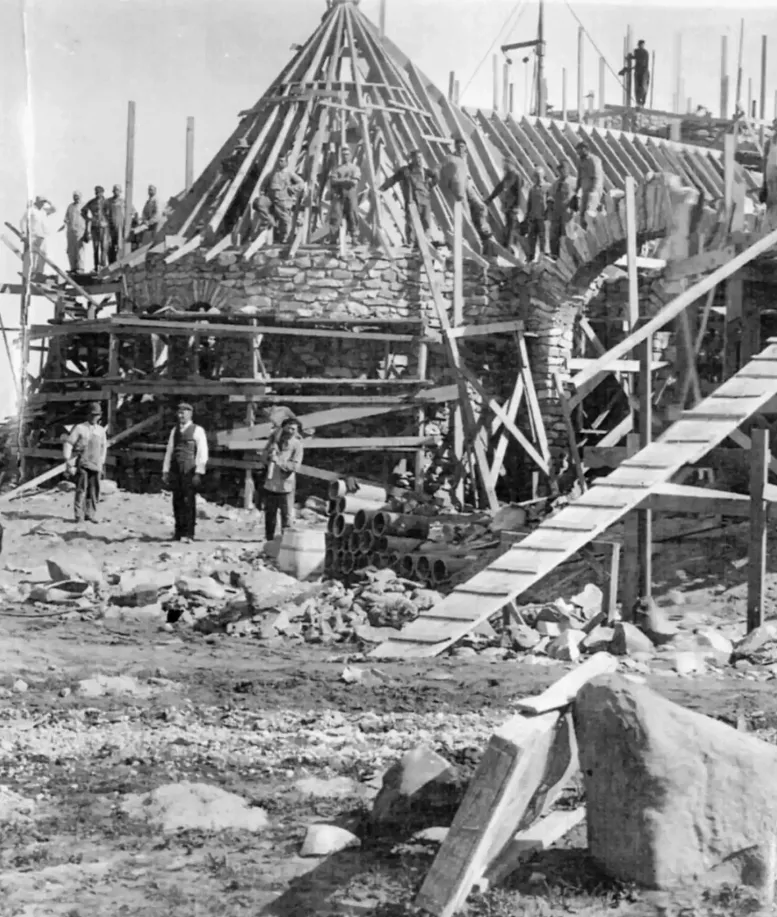
A Vision in 1918
Castle Farms was originally built in 1918 by Albert Loeb, the acting President of Sears, Roebuck, and Co. Conceived as a model dairy farm known as Loeb Farms, the property was designed to showcase agricultural innovation using products from the Sears catalog.
Inspired by the stone barns and castles of Normandy, France, the architecture reflected both function and aesthetic vision. At its peak, the farm was the largest employer in Charlevoix County, with more than 90 people on staff.
The property included over 200 head of prize-winning Holstein-Friesian cattle, 13 pairs of Belgian draft horses, and even its own baseball team — the Sodbusters.
Castle VanHaver
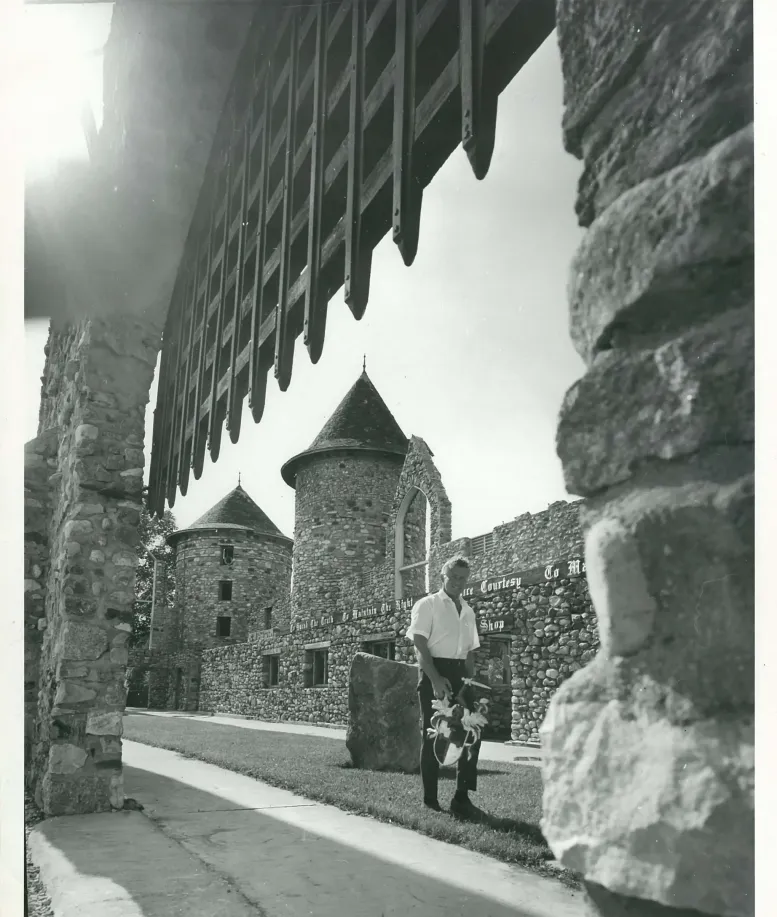
In 1962, John VanHaver purchased one hundred acres of the original property and renamed it Castle VanHaver. By 1966, the site was opened to the public, offering tours, a café, and an art gallery with a working artist studio.
This period marked the beginning of Castle Farms as a public destination, welcoming visitors to experience the property in new ways.
A Music Destination
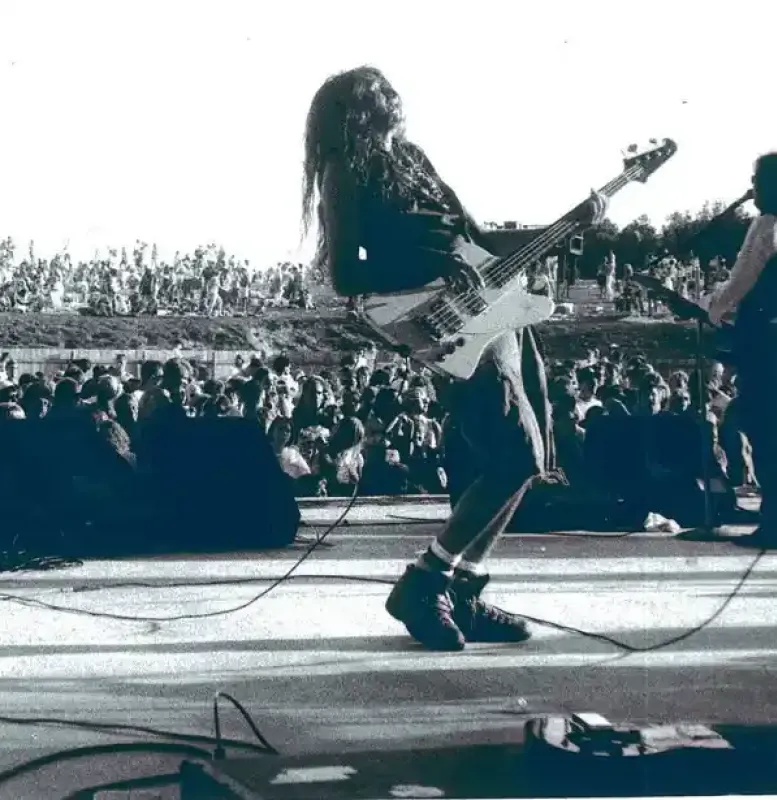
In 1969, Arthur and Edwina Reibel acquired the property and transformed it into a concert venue known as Castle Farms Summer Music Theater.
Throughout the 1970s and into the early 1990s, the venue hosted nationally recognized artists including Tina Turner, Aerosmith, and The Doobie Brothers.
This era introduced a new cultural chapter for the Castle, drawing large audiences and establishing it as a regional entertainment destination.
Restoring the Castle
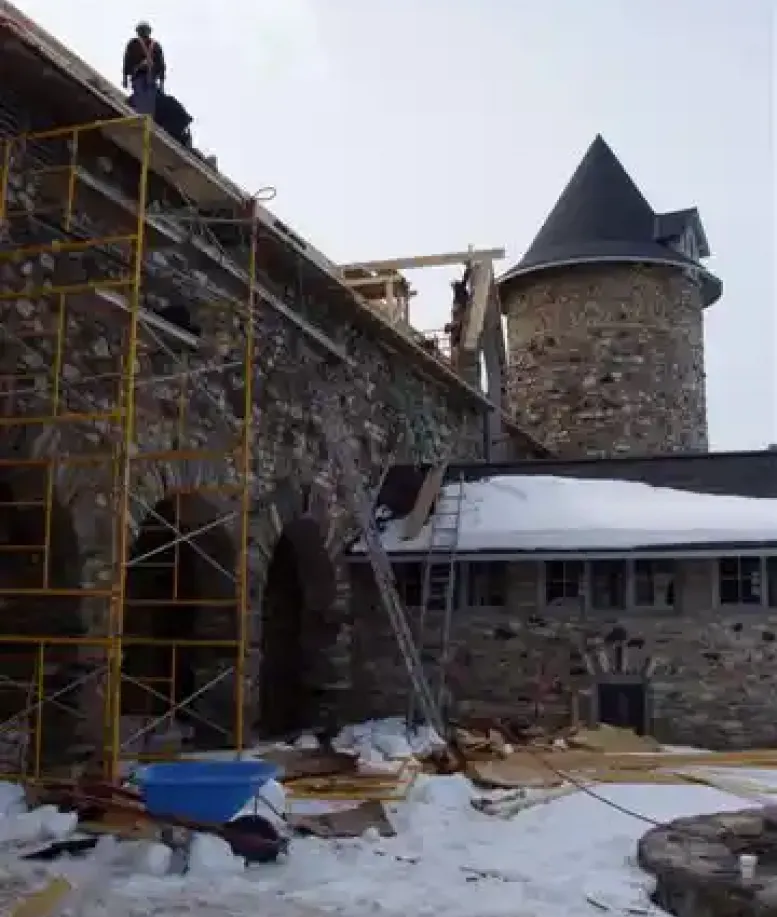
In 2001, Linda Mueller purchased Castle Farms and began an extensive restoration of the property. Guided by original blueprints, the restoration focused on preserving the architectural integrity of the buildings while reimagining the grounds for modern use.
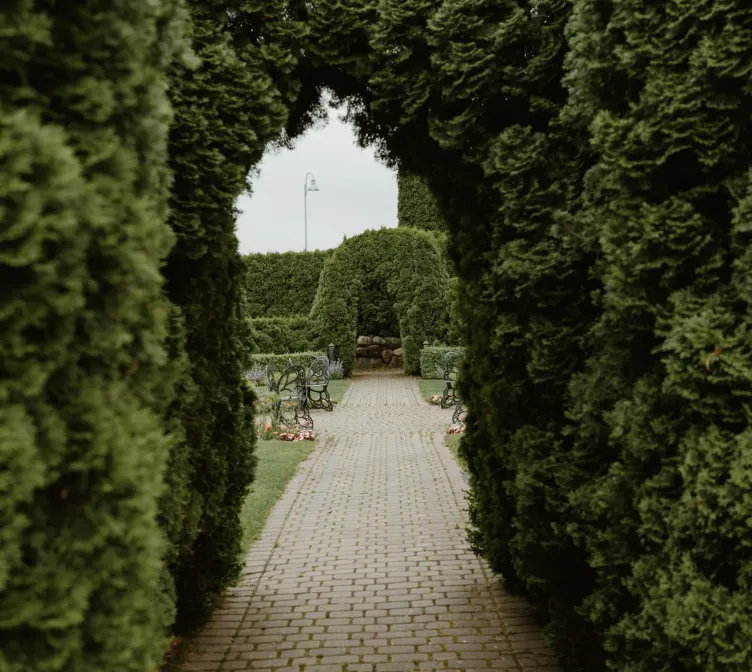
Roofs were replaced, original wings were reconstructed, and gardens were carefully developed to enhance the experience of the property.
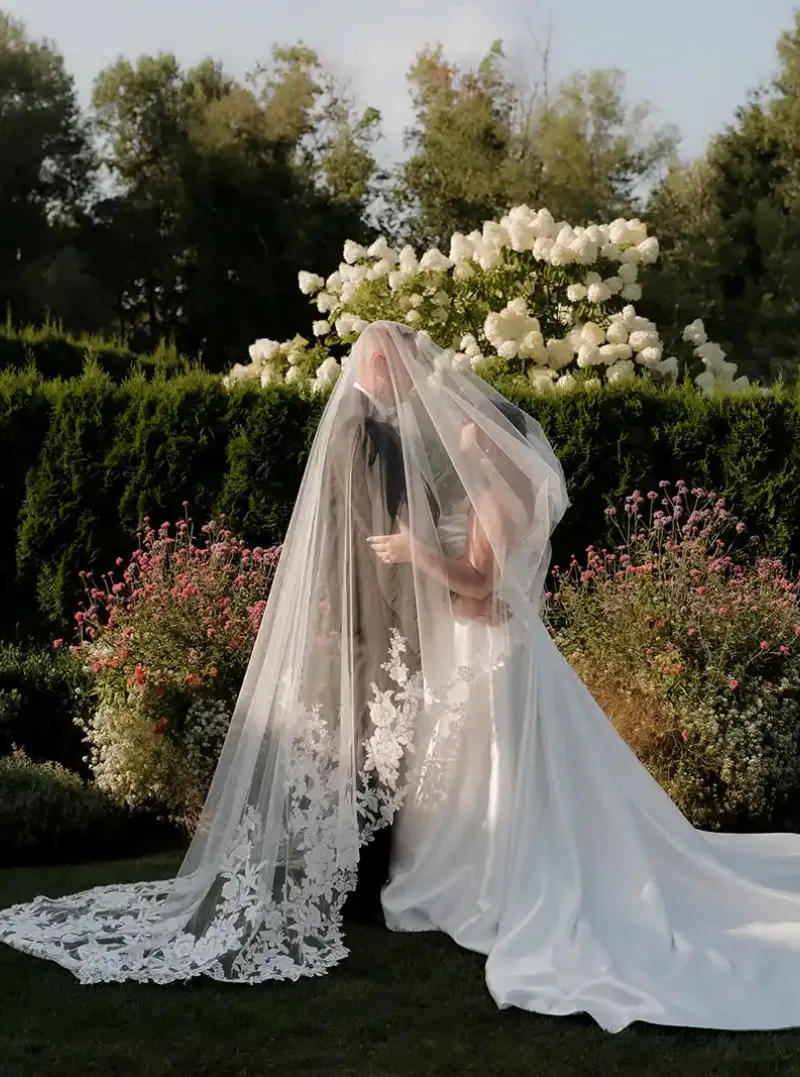
In 2002, Castle Farms began hosting weddings, followed by events and daily tours, establishing it as a destination for both visitors and celebrations.